
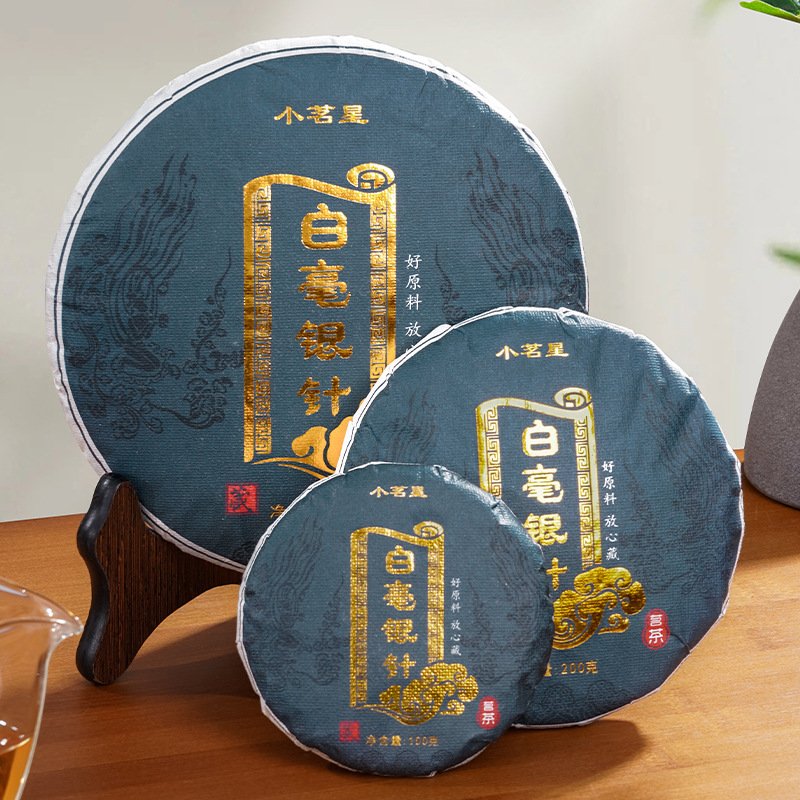
2022 Yunnan Pekoe Silver Needle White Tea Cake Moonlight White Tea

0 Reviews

Price range: $45.00 through $85.00

SKU: N/A Category:

Product Description

Not every bud can become a Silver Needle. Only the tender shoots plucked before the Qingming Festival truly earn this name. The buds have a fleeting freshness window of just 3 to 5 days – they must be thick and stout, firm and elastic to the touch, with short stems and the distinctive "fish leaf" that marks the first pluck of the season.

This Baihao Yinzhen is crafted from the Da Bai Hao variety grown in Jinggu County, Pu'er City, Yunnan Province. The tea gardens are nestled in high mountains at an average altitude of over 600 metres, where subtropical monsoonal mists shroud the slopes year‑round. This unique terroir enriches the leaves with abundant inner substances, giving the tea its signature fullness and depth.


Processing – The Art of Simplicity

White tea is the least processed of all tea types – and that is precisely its beauty. Unlike green teas which are pan‑fired to halt oxidation, oolongs which are partially fermented and roasted, or black teas which are fully oxidised, white tea follows a philosophy of "do no harm."

Our Silver Needle is crafted using the traditional method: no rolling, no kneading, no artificial interference. The freshly plucked buds are laid out under full sunlight and left to wither naturally. This gentle, unhurried process – respecting the leaf's nature and following the rhythm of the seasons – allows the buds to retain their pristine white down, delicate fragrance, and pure, sweet character. The result is a tea that tastes exactly as nature intended: clean, alive, and true to its origin.


Tasting Notes

Aspect Description
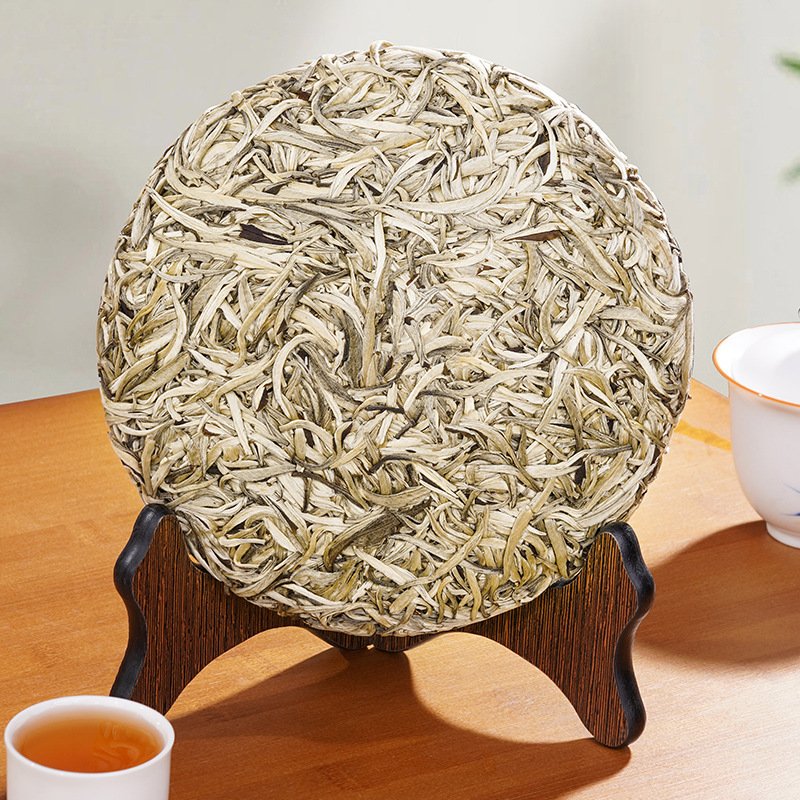
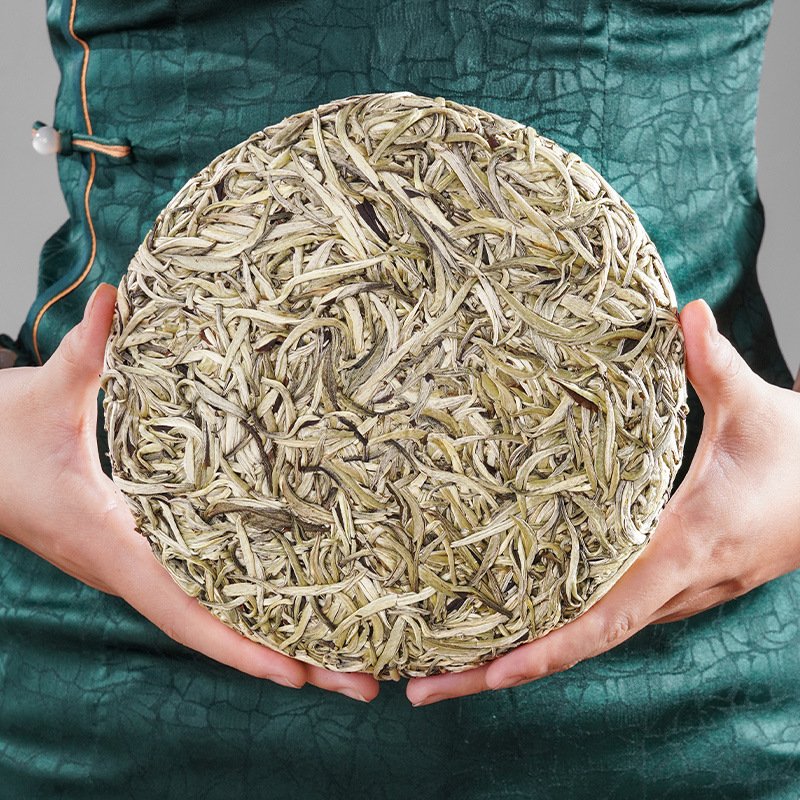
Dry Buds Plump, stout, and straight as needles. Covered in fine, silvery‑white down – like snow‑clad twigs. Lustrous and subtly glossy, with a distinct, delicate aroma.
Aroma Gentle and fresh – notes of sweet hay, wild honey, and a whisper of melon‑like freshness. Clean and inviting.
Liquor Clear, bright, and pale yellow – translucent and luminous.
Palate Smooth and mellow on entry, with an immediate, natural sweetness. The body is rich and velvety, yet light on the palate – layered and satisfying. A clean, refreshing finish lingers gently.
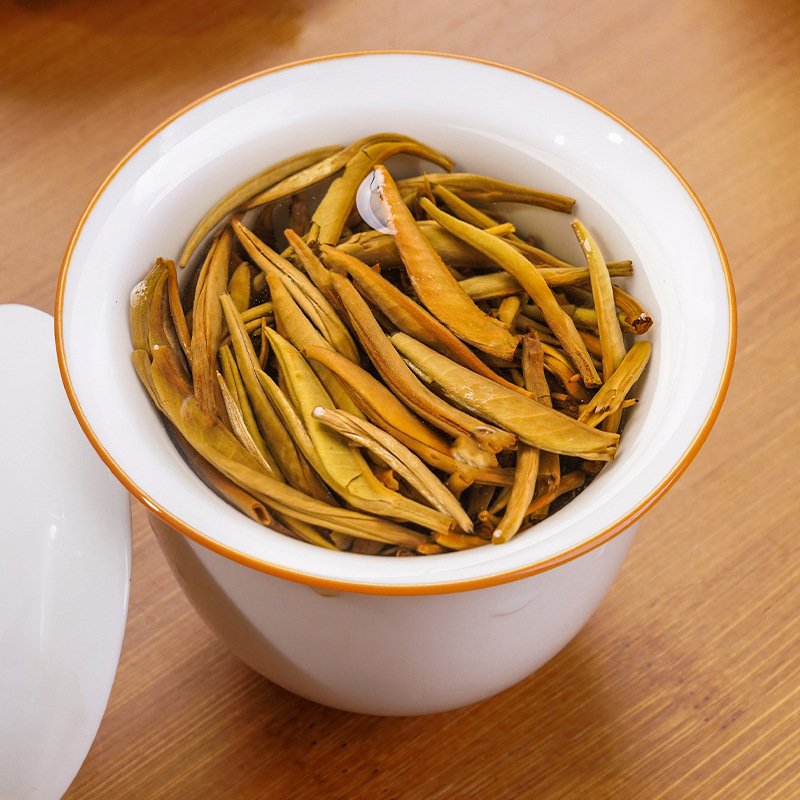
Infused Leaves Soft, bright, and resilient. The buds remain plump and straight, with a glossy sheen and a lingering fresh fragrance.

The Journey of Aging – One Year, Five Years, Ten Years, Twenty Years

White tea is unique among teas in that it is made to age. Unlike green teas which are best enjoyed fresh, or oolongs and black teas which have a recommended drinking window, white tea evolves and improves over time when stored properly. Each stage offers a different experience:

  • One Year – The tea is at its freshest. The aroma is bright and grassy, with pronounced floral and honey notes. The liquor is pale and the taste is lively, crisp, and refreshing – ideal for those who enjoy a clean, youthful cup.

  • Five Years – The fresh green notes begin to mellow. The aroma deepens, developing hints of dried fruit, ripe melon, and a subtle medicinal undertone. The liquor turns a deeper golden‑yellow, and the texture becomes smoother and rounder. A gentle sweetness now permeates every sip.

  • Ten Years – The tea has entered its prime maturity. The fragrance shifts to warm, woody notes – reminiscent of old camphor, dried longan, and aged herbs. The liquor is a rich amber‑gold, full‑bodied and silky. The flavour is deep, complex, and profoundly soothing, with a lasting, calming aftertaste.

  • Twenty Years and Beyond – A true aged treasure. The aroma is entirely transformed – deep, earthy, and medicinal, with notes of ginseng, dates, and old forest floor. The liquor is dark amber, thick, and almost oily in texture. The taste is mellow, sweet, and extraordinarily smooth, with a powerful, lingering energy that warms the body and calms the mind.

This tea cake is crafted to be stored and enjoyed over time. Under the right conditions – sealed, away from light, moisture, and odours – it will continue to evolve, rewarding your patience with a new character at every stage.


Brewing Recommendation – Two Ways to Enjoy Your Silver Needle

White tea is remarkably versatile. It can be brewed gently to capture its delicate freshness, or boiled to extract the deep, medicinal richness of aged leaves. We recommend the following two methods – choose the one that suits your tea and your mood.

Method 1 – Gongfu Style (for layered flavour & traditional appreciation)

This method is best for fresh or lightly aged cakes (1–5 years). It allows you to experience the tea’s evolution through multiple infusions, revealing new dimensions with each steep.

Parameter Recommendation
Teaware A small gaiwan (120–150ml) or a Yixing purple clay pot
Tea amount 5g of loosened buds (break off gently from the cake)
Water volume 120–150ml per infusion
Water temperature 85–90°C (185–194°F) – let boiling water rest for 2–3 minutes

Steps:

  1. Warm the vessel – Rinse your gaiwan or pot with hot water to preheat it, then discard.

  2. Add the leaves – Place the loosened buds into the warm vessel, cover, and give it a gentle shake. Open and inhale the sweet, honeyed aroma.

  3. Rinse (optional) – For white tea, a rinse is not essential. If you prefer, pour a small amount of water over the leaves and immediately pour it out after 5 seconds to awaken them.

  4. First infusion – Pour water gently along the inner wall of the gaiwan, avoiding direct impact on the delicate buds. Cover and steep for 2 minutes.

  5. Decant – Pour the liquor completely into a fairness cup or directly into your tasting cup. The liquor should be a clear pale yellow.

  6. Subsequent infusions – Add 30 seconds to 1 minute for each additional brew. You can expect 4–6 satisfying infusions, with the flavour shifting from fresh and floral to softly sweet and nutty.

Pro Tip for Gongfu: Never pour boiling water directly onto the buds – it will scald them and mute the delicate floral notes. Always let the water cool to 85–90°C before pouring.

Method 2 – Boiling Style (for deep extraction & aged richness)

This method is especially recommended for aged cakes (5 years and older). Boiling coaxes out the full spectrum of flavours – deep, woody, medicinal, and sweet – that gentle steeping cannot reach. Even for fresh cakes, boiling gives a thicker, more comforting cup.

Parameter Recommendation
Teaware A glass or ceramic tea kettle (stovetop or electric)
Tea amount 8–10g of loosened buds (slightly more than for gongfu)
Water volume 800–1000ml of cold or room‑temperature water
Boiling time 5–10 minutes (adjust to taste)

Steps:

  1. Prepare the leaves – Gently break off 8–10g from the cake. For aged tea, you may rinse the leaves briefly with hot water and discard the rinse to remove any dust.

  2. Add water and leaves – Place the leaves into the kettle and add cold or room‑temperature water (about 800–1000ml).

  3. Heat and bring to a boil – Place the kettle on the stove or turn on the electric base. Bring the water to a rolling boil over medium heat.

  4. Simmer – Once boiling, reduce the heat to low and let it simmer gently for 5 minutes. For a stronger brew, extend to 8–10 minutes.

  5. Serve – Turn off the heat and pour the tea into cups through a strainer. The liquor will be a rich amber‑gold, thick and fragrant.

  6. Re‑boil (optional) – The same leaves can be boiled again with fresh water, adding 2–3 minutes to the boiling time for a second round. The flavour will be lighter but still enjoyable.

Pro Tip for Boiling: Boiled white tea is excellent for cold days or as a soothing evening drink. You can also add a small piece of aged tangerine peel (chenpi) for an extra layer of citrus warmth. For fresh cakes, boiling will produce a sweeter, more honey‑like cup; for aged cakes, expect deep woody, dried‑fruit, and medicinal notes.

Choosing Your Method

  • Fresh or young cakes (1–3 years): Gongfu brewing is recommended to appreciate the bright, floral freshness. Boiling is optional and will give a thicker, sweeter cup.

  • Aged cakes (5+ years): Both methods work beautifully. Gongfu will still reveal layered complexity, but boiling truly unlocks the deep aged character – we highly recommend trying it.

  • Very old cakes (10+ years): Boiling is the preferred method. It fully extracts the precious medicinal and woody flavours that have developed over decades, giving you a warming, nourishing brew.


Key Specifications

Attribute Detail
Category White Tea – Baihao Yinzhen (Silver Needle)
Variety Yunnan Jinggu Da Bai Hao
Origin Jinggu County, Pu'er City, Yunnan, China
Harvest Pre‑Qingming Festival – first pluck
Standard One bud, no leaves – hand‑picked
Processing Traditional sun‑drying – no rolling, no kneading, natural withering
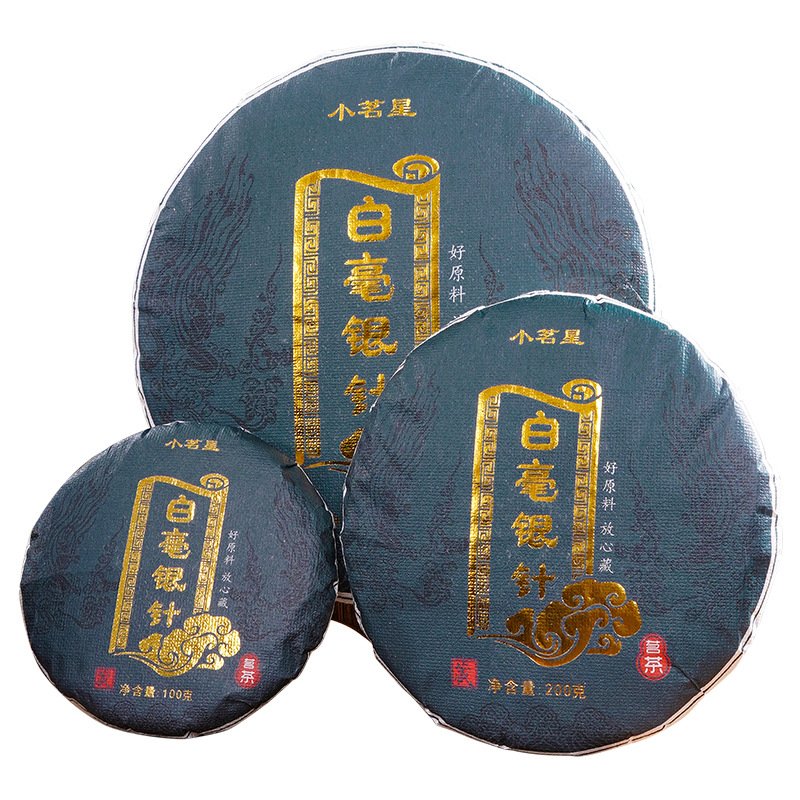
Net Weight Options 100g / 200g / 357g
Packaging Premium rice paper wrapping (inner) – preserves breathability for aging
Flavour Profile Fresh, sweet, mellow, with honey and floral notes – evolves with age
Shelf Life Suitable for long‑term storage under proper conditions – improves with age
Storage Keep sealed, away from light, moisture, and strong odours
Certification SC11435078223294 | Product Standard: GB/T 18745
Manufacturer Wuyishan Ximing Zheng Yan Tea Factory
Address No. 69 Maoping, Gongguan Village, Wuyishan, Fujian, China

Packaging Variants Available

Selection Cake Diameter Net Weight
Silver Needle Tea Cake – 100g Approx. 10.5 cm 100g
Silver Needle Tea Cake – 200g Approx. 14 cm 200g
Silver Needle Tea Cake – 357g Approx. 19 cm 357g

Each cake is individually wrapped in fine rice paper, allowing the tea to breathe naturally while protecting it from light and dust – ideal for long‑term aging.


Storage & Aging Guidance

To preserve and enhance the quality of your Silver Needle tea cake over the years, please follow these guidelines:

  • Keep the cake in its rice paper wrapping, and place it in a sealed container or tea storage jar.

  • Store in a cool, dry place away from direct sunlight.

  • Avoid strong odours – tea absorbs surrounding scents easily.

  • Ideal storage conditions: temperature 20–30°C, relative humidity below 60%.

  • Under proper conditions, this tea can be aged for decades, developing deeper, more complex flavours with each passing year.


The Value of Aging – A Tea That Grows with You

White tea is often called "the tea that gets better with age." Unlike other teas that have a peak drinking window, Baihao Yinzhen rewards patience. It is a living tea, quietly transforming with each year of proper storage. Whether you enjoy it fresh, at five years, ten years, or beyond, each stage offers a unique experience – from the bright, grassy energy of youth to the deep, medicinal warmth of old age. This is not just a tea; it is a journey you can taste.

In Stock

Description

Product Description

Not every bud can become a Silver Needle. Only the tender shoots plucked before the Qingming Festival truly earn this name. The buds have a fleeting freshness window of just 3 to 5 days – they must be thick and stout, firm and elastic to the touch, with short stems and the distinctive “fish leaf” that marks the first pluck of the season.

This Baihao Yinzhen is crafted from the Da Bai Hao variety grown in Jinggu County, Pu’er City, Yunnan Province. The tea gardens are nestled in high mountains at an average altitude of over 600 metres, where subtropical monsoonal mists shroud the slopes year‑round. This unique terroir enriches the leaves with abundant inner substances, giving the tea its signature fullness and depth.


Processing – The Art of Simplicity

White tea is the least processed of all tea types – and that is precisely its beauty. Unlike green teas which are pan‑fired to halt oxidation, oolongs which are partially fermented and roasted, or black teas which are fully oxidised, white tea follows a philosophy of “do no harm.”

Our Silver Needle is crafted using the traditional method: no rolling, no kneading, no artificial interference. The freshly plucked buds are laid out under full sunlight and left to wither naturally. This gentle, unhurried process – respecting the leaf’s nature and following the rhythm of the seasons – allows the buds to retain their pristine white down, delicate fragrance, and pure, sweet character. The result is a tea that tastes exactly as nature intended: clean, alive, and true to its origin.


Tasting Notes

Aspect Description
Dry Buds Plump, stout, and straight as needles. Covered in fine, silvery‑white down – like snow‑clad twigs. Lustrous and subtly glossy, with a distinct, delicate aroma.
Aroma Gentle and fresh – notes of sweet hay, wild honey, and a whisper of melon‑like freshness. Clean and inviting.
Liquor Clear, bright, and pale yellow – translucent and luminous.
Palate Smooth and mellow on entry, with an immediate, natural sweetness. The body is rich and velvety, yet light on the palate – layered and satisfying. A clean, refreshing finish lingers gently.
Infused Leaves Soft, bright, and resilient. The buds remain plump and straight, with a glossy sheen and a lingering fresh fragrance.

The Journey of Aging – One Year, Five Years, Ten Years, Twenty Years

White tea is unique among teas in that it is made to age. Unlike green teas which are best enjoyed fresh, or oolongs and black teas which have a recommended drinking window, white tea evolves and improves over time when stored properly. Each stage offers a different experience:

  • One Year – The tea is at its freshest. The aroma is bright and grassy, with pronounced floral and honey notes. The liquor is pale and the taste is lively, crisp, and refreshing – ideal for those who enjoy a clean, youthful cup.

  • Five Years – The fresh green notes begin to mellow. The aroma deepens, developing hints of dried fruit, ripe melon, and a subtle medicinal undertone. The liquor turns a deeper golden‑yellow, and the texture becomes smoother and rounder. A gentle sweetness now permeates every sip.

  • Ten Years – The tea has entered its prime maturity. The fragrance shifts to warm, woody notes – reminiscent of old camphor, dried longan, and aged herbs. The liquor is a rich amber‑gold, full‑bodied and silky. The flavour is deep, complex, and profoundly soothing, with a lasting, calming aftertaste.

  • Twenty Years and Beyond – A true aged treasure. The aroma is entirely transformed – deep, earthy, and medicinal, with notes of ginseng, dates, and old forest floor. The liquor is dark amber, thick, and almost oily in texture. The taste is mellow, sweet, and extraordinarily smooth, with a powerful, lingering energy that warms the body and calms the mind.

This tea cake is crafted to be stored and enjoyed over time. Under the right conditions – sealed, away from light, moisture, and odours – it will continue to evolve, rewarding your patience with a new character at every stage.


Brewing Recommendation – Two Ways to Enjoy Your Silver Needle

White tea is remarkably versatile. It can be brewed gently to capture its delicate freshness, or boiled to extract the deep, medicinal richness of aged leaves. We recommend the following two methods – choose the one that suits your tea and your mood.

Method 1 – Gongfu Style (for layered flavour & traditional appreciation)

This method is best for fresh or lightly aged cakes (1–5 years). It allows you to experience the tea’s evolution through multiple infusions, revealing new dimensions with each steep.

Parameter Recommendation
Teaware A small gaiwan (120–150ml) or a Yixing purple clay pot
Tea amount 5g of loosened buds (break off gently from the cake)
Water volume 120–150ml per infusion
Water temperature 85–90°C (185–194°F) – let boiling water rest for 2–3 minutes

Steps:

  1. Warm the vessel – Rinse your gaiwan or pot with hot water to preheat it, then discard.

  2. Add the leaves – Place the loosened buds into the warm vessel, cover, and give it a gentle shake. Open and inhale the sweet, honeyed aroma.

  3. Rinse (optional) – For white tea, a rinse is not essential. If you prefer, pour a small amount of water over the leaves and immediately pour it out after 5 seconds to awaken them.

  4. First infusion – Pour water gently along the inner wall of the gaiwan, avoiding direct impact on the delicate buds. Cover and steep for 2 minutes.

  5. Decant – Pour the liquor completely into a fairness cup or directly into your tasting cup. The liquor should be a clear pale yellow.

  6. Subsequent infusions – Add 30 seconds to 1 minute for each additional brew. You can expect 4–6 satisfying infusions, with the flavour shifting from fresh and floral to softly sweet and nutty.

Pro Tip for Gongfu: Never pour boiling water directly onto the buds – it will scald them and mute the delicate floral notes. Always let the water cool to 85–90°C before pouring.

Method 2 – Boiling Style (for deep extraction & aged richness)

This method is especially recommended for aged cakes (5 years and older). Boiling coaxes out the full spectrum of flavours – deep, woody, medicinal, and sweet – that gentle steeping cannot reach. Even for fresh cakes, boiling gives a thicker, more comforting cup.

Parameter Recommendation
Teaware A glass or ceramic tea kettle (stovetop or electric)
Tea amount 8–10g of loosened buds (slightly more than for gongfu)
Water volume 800–1000ml of cold or room‑temperature water
Boiling time 5–10 minutes (adjust to taste)

Steps:

  1. Prepare the leaves – Gently break off 8–10g from the cake. For aged tea, you may rinse the leaves briefly with hot water and discard the rinse to remove any dust.

  2. Add water and leaves – Place the leaves into the kettle and add cold or room‑temperature water (about 800–1000ml).

  3. Heat and bring to a boil – Place the kettle on the stove or turn on the electric base. Bring the water to a rolling boil over medium heat.

  4. Simmer – Once boiling, reduce the heat to low and let it simmer gently for 5 minutes. For a stronger brew, extend to 8–10 minutes.

  5. Serve – Turn off the heat and pour the tea into cups through a strainer. The liquor will be a rich amber‑gold, thick and fragrant.

  6. Re‑boil (optional) – The same leaves can be boiled again with fresh water, adding 2–3 minutes to the boiling time for a second round. The flavour will be lighter but still enjoyable.

Pro Tip for Boiling: Boiled white tea is excellent for cold days or as a soothing evening drink. You can also add a small piece of aged tangerine peel (chenpi) for an extra layer of citrus warmth. For fresh cakes, boiling will produce a sweeter, more honey‑like cup; for aged cakes, expect deep woody, dried‑fruit, and medicinal notes.

Choosing Your Method

  • Fresh or young cakes (1–3 years): Gongfu brewing is recommended to appreciate the bright, floral freshness. Boiling is optional and will give a thicker, sweeter cup.

  • Aged cakes (5+ years): Both methods work beautifully. Gongfu will still reveal layered complexity, but boiling truly unlocks the deep aged character – we highly recommend trying it.

  • Very old cakes (10+ years): Boiling is the preferred method. It fully extracts the precious medicinal and woody flavours that have developed over decades, giving you a warming, nourishing brew.


Key Specifications

Attribute Detail
Category White Tea – Baihao Yinzhen (Silver Needle)
Variety Yunnan Jinggu Da Bai Hao
Origin Jinggu County, Pu’er City, Yunnan, China
Harvest Pre‑Qingming Festival – first pluck
Standard One bud, no leaves – hand‑picked
Processing Traditional sun‑drying – no rolling, no kneading, natural withering
Net Weight Options 100g / 200g / 357g
Packaging Premium rice paper wrapping (inner) – preserves breathability for aging
Flavour Profile Fresh, sweet, mellow, with honey and floral notes – evolves with age
Shelf Life Suitable for long‑term storage under proper conditions – improves with age
Storage Keep sealed, away from light, moisture, and strong odours
Certification SC11435078223294 | Product Standard: GB/T 18745
Manufacturer Wuyishan Ximing Zheng Yan Tea Factory
Address No. 69 Maoping, Gongguan Village, Wuyishan, Fujian, China

Packaging Variants Available

Selection Cake Diameter Net Weight
Silver Needle Tea Cake – 100g Approx. 10.5 cm 100g
Silver Needle Tea Cake – 200g Approx. 14 cm 200g
Silver Needle Tea Cake – 357g Approx. 19 cm 357g

Each cake is individually wrapped in fine rice paper, allowing the tea to breathe naturally while protecting it from light and dust – ideal for long‑term aging.


Storage & Aging Guidance

To preserve and enhance the quality of your Silver Needle tea cake over the years, please follow these guidelines:

  • Keep the cake in its rice paper wrapping, and place it in a sealed container or tea storage jar.

  • Store in a cool, dry place away from direct sunlight.

  • Avoid strong odours – tea absorbs surrounding scents easily.

  • Ideal storage conditions: temperature 20–30°C, relative humidity below 60%.

  • Under proper conditions, this tea can be aged for decades, developing deeper, more complex flavours with each passing year.


The Value of Aging – A Tea That Grows with You

White tea is often called “the tea that gets better with age.” Unlike other teas that have a peak drinking window, Baihao Yinzhen rewards patience. It is a living tea, quietly transforming with each year of proper storage. Whether you enjoy it fresh, at five years, ten years, or beyond, each stage offers a unique experience – from the bright, grassy energy of youth to the deep, medicinal warmth of old age. This is not just a tea; it is a journey you can taste.

Additional information

specifications

200g – Approx. 14 cm diameter, 357g – Approx. 19 cm diameter, 100g – Approx. 10.5 cm diameter

Reviews

There are no reviews yet.

Only logged in customers who have purchased this product may leave a review.