
Green tea is the most ancient and widely consumed tea in China. Its defining characteristic is the kill-green process, which halts oxidation and preserves the fresh, vibrant character of the leaves. This simple yet precise technique has remained unchanged for over a thousand years.
Crafting Process
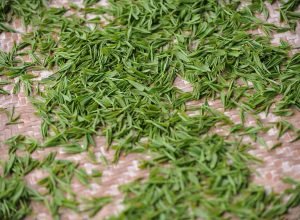
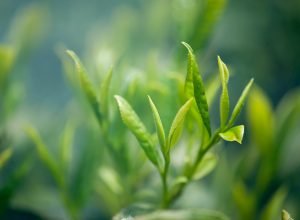
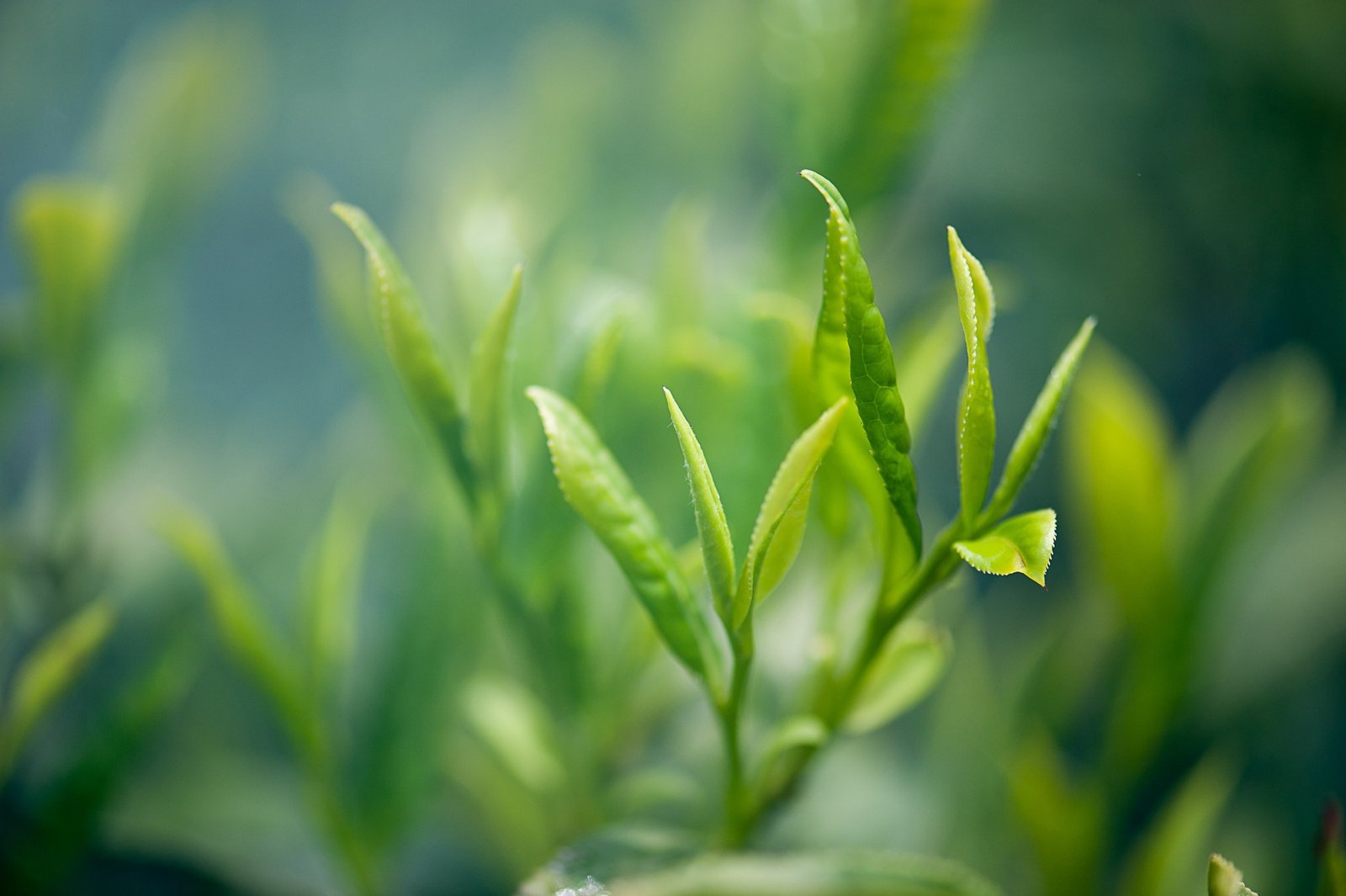
The journey of green tea begins with hand-plucked tender buds and leaves, typically harvested in early spring. The leaves are then spread out to wither briefly, allowing moisture to evaporate. The critical step is kill-green (shā qīng) – the leaves are quickly heated in a wok or steaming chamber to deactivate the enzymes responsible for oxidation. This locks in the green colour, fresh aroma, and grassy, vegetal notes.
After kill-green, the leaves are rolled to shape them and release their natural juices, then dried to remove remaining moisture. The result is a tea that is minimally processed, pure, and alive with the essence of spring.
Brewing Recommendations
Green tea is delicate and requires gentle handling.
- Water Temperature: 75–80°C (167–176°F). Never use boiling water – it scorches the leaves and creates bitterness.
- Leaf-to-Water Ratio: 3–5g per 200–250ml.
- Steeping Time: 1–2 minutes for the first infusion. Add 30 seconds for each subsequent brew.
- Number of Infusions: 3–4.
Teaware Selection
The best vessel for green tea is a glass tumbler or a porcelain gaiwan.
- Glass tumbler – allows you to watch the leaves unfurl and dance, enhancing the visual experience.
- Porcelain gaiwan – retains heat moderately and does not absorb flavours, making it ideal for appreciating the tea’s pure character.
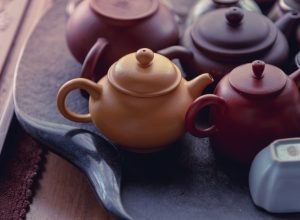
Avoid porous clay pots for green tea – they absorb the delicate aromas and may alter the taste.
Final Thought
Green tea is a celebration of freshness. With the right water temperature and teaware, you can unlock its full potential – a clean, sweet, and revitalising cup that captures the spirit of spring.
