
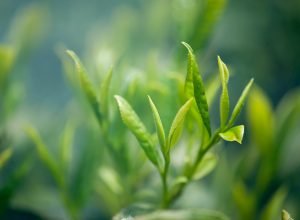
Oolong tea occupies a beautiful middle ground between green and black tea. Its hallmark is partial oxidation, which can range from 10% to 80%, giving rise to an extraordinary diversity of flavours – from floral and creamy to roasted and fruity.
Crafting Process
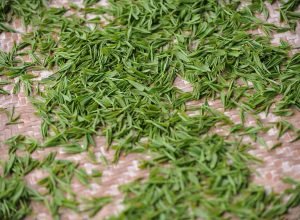
Oolong production is one of the most labour-intensive tea-making processes. After withering under the sun, the leaves are gently tossed and shaken to bruise the edges, initiating oxidation. The leaves are then rested, allowing the enzymes to work their magic. This cycle of shaking and resting is repeated multiple times to build layers of flavour.
Once the desired level of oxidation is achieved, the leaves are pan-fired to halt the process – similar to green tea’s kill-green step. They are then rolled or twisted into their characteristic shapes, often tightly curled balls or twisted strips. Finally, the tea is roasted to varying degrees, from light to heavy, which adds warmth, depth, and complexity.
Brewing Recommendations
Oolong teas reward attention and patience.
- Water Temperature: 90–95°C (194–203°F). Freshly boiled water cooled slightly.
- Leaf-to-Water Ratio: 6–8g per 200–250ml.
- Steeping Time: 30–60 seconds for the first infusion. Add 15–30 seconds for each subsequent brew.
- Number of Infusions: 6–8, or even more for high-quality oolongs.
Teaware Selection
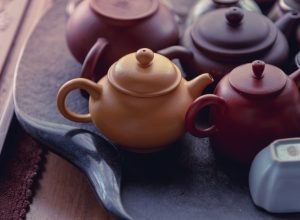
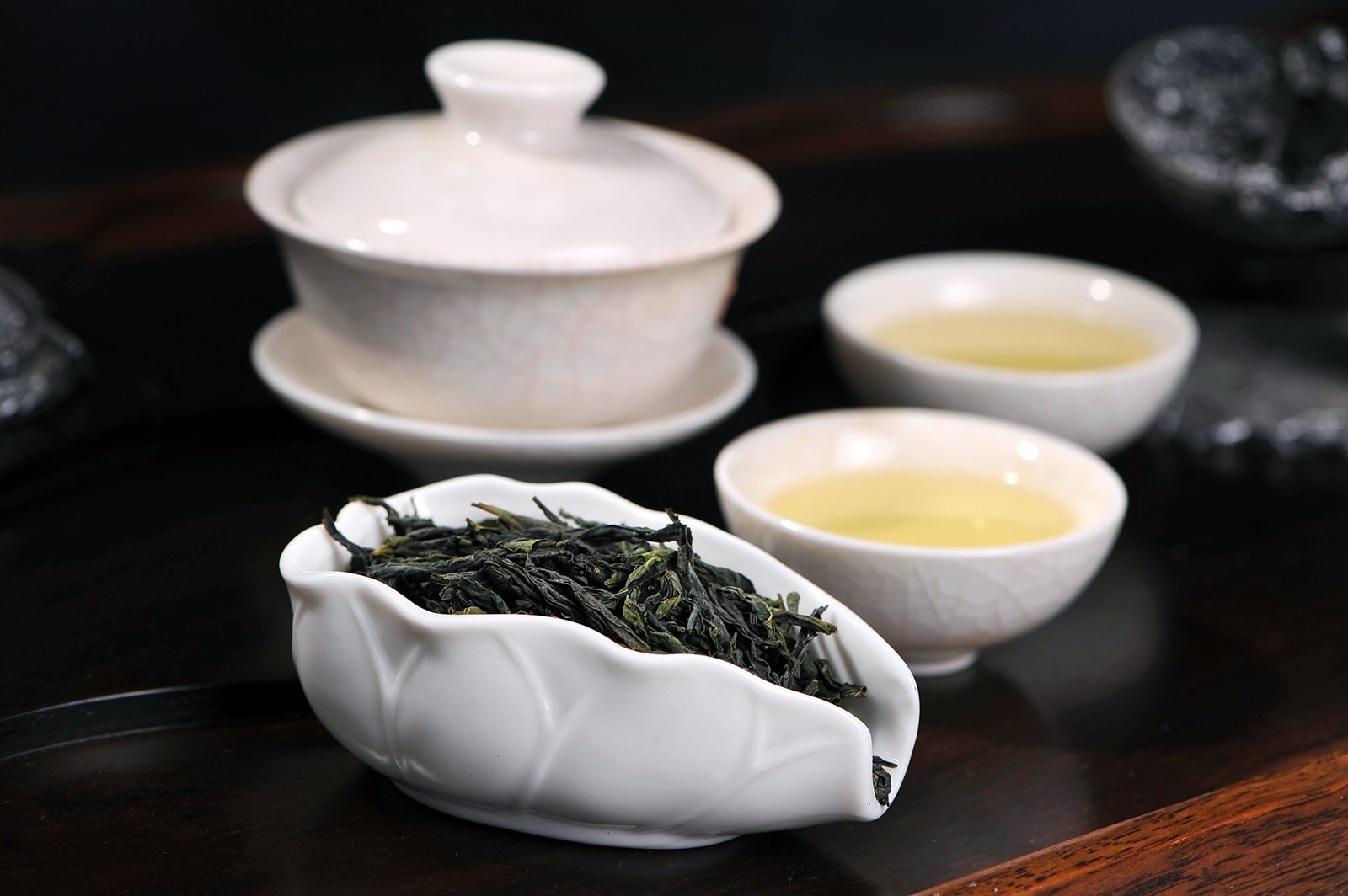
The traditional and most recommended vessel for oolong is the Yixing purple clay pot (zǐshā hú) or a porcelain gaiwan.
- Yixing pot – its porous clay gradually absorbs the tea’s essence over time, enhancing the flavour and depth with each use. Ideal for heavily roasted or aged oolongs.
- Porcelain gaiwan – allows precise control over steeping and preserves the tea’s aromatic complexity, making it ideal for lighter, more floral oolongs.
Final Thought
Oolong tea is a journey of discovery. Each infusion reveals a new layer of flavour, and the right teaware can elevate the experience from pleasant to transcendent. Take your time – and let the tea guide you.
