
Dark tea, known as hēi chá, is a post-fermented tea that improves with age. This category includes the legendary Pu’er teas from Yunnan, as well as aged teas like Liubao from Guangxi. The defining feature of dark tea is microbial fermentation, which occurs slowly over time, transforming the leaves into something rich, mellow, and profoundly complex.
Crafting Process
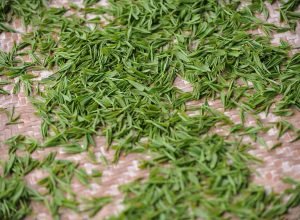
The journey of dark tea begins like green tea – the leaves are kill-greened, rolled, and sun-dried to produce raw (sheng) Pu’er. For ripe (shou) Pu’er, an additional step is taken: the leaves are piled, lightly moistened, and covered to encourage controlled fermentation (wòduī). This process accelerates the natural aging, producing a dark, earthy tea with a smooth, mellow taste within months.
Over time, both raw and ripe Pu’er continue to evolve in storage. The leaves slowly oxidise and ferment, developing deep, layered notes of wood, earth, dried fruit, and medicinal herbs. This is why aged Pu’er is so highly prized – it is a living tea that tells the story of its years.
Brewing Recommendations
Dark tea is robust and benefits from boiling water and longer steeping times.
- Water Temperature: 100°C (212°F) – freshly boiled water.
- Leaf-to-Water Ratio: 8–10g per 120–150ml for gongfu style.
- Steeping Time (Gongfu): 5–10 seconds for the first infusion, gradually increasing.
- Number of Infusions: 10–15 or more – quality aged Pu’er can be steeped all day.
For aged teas, consider boiling the leaves after several infusions – this extracts the final remnants of flavour and yields a thick, sweet, medicinal brew.
Teaware Selection
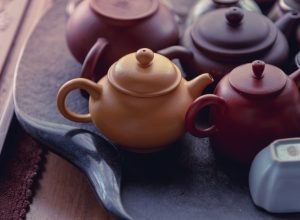
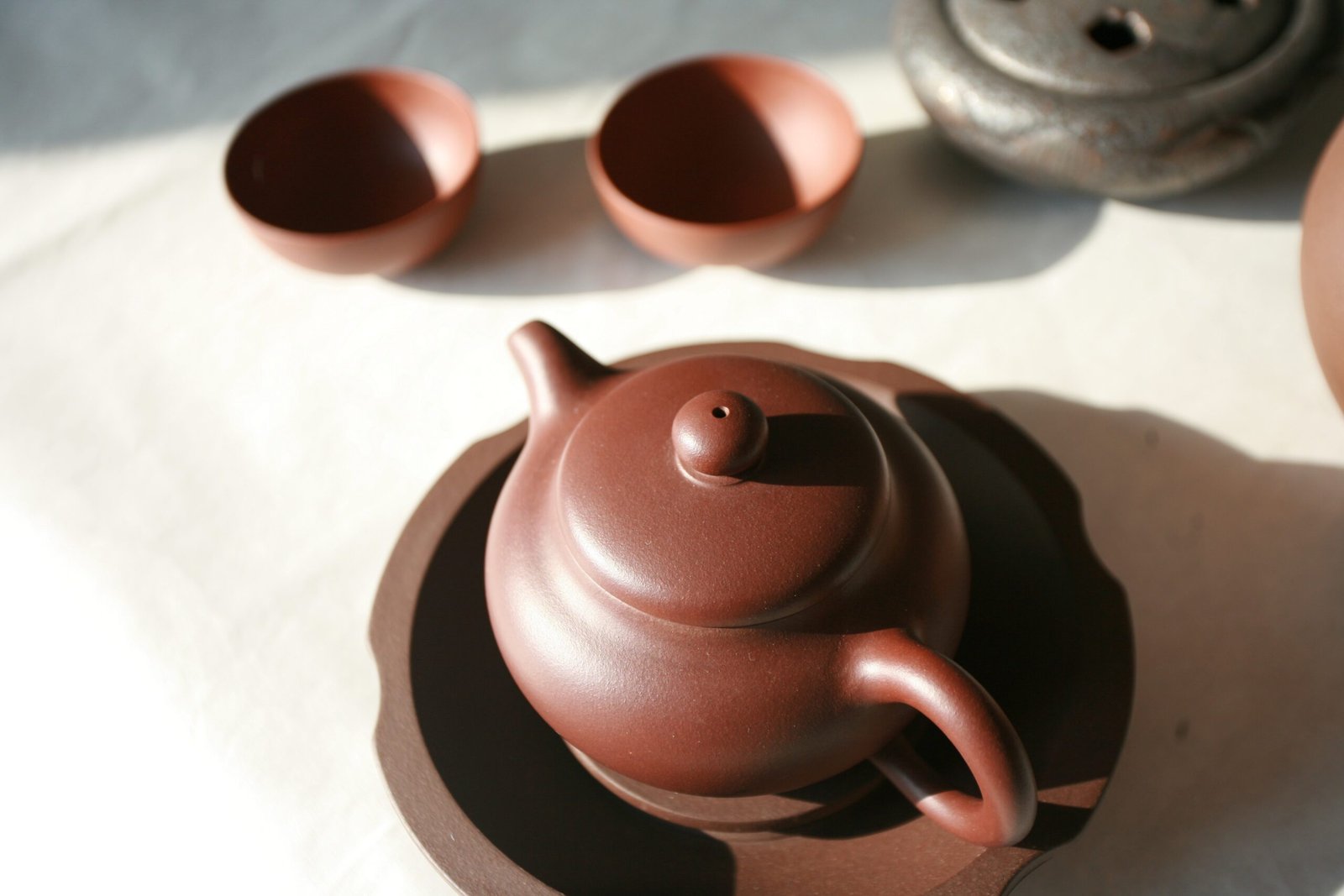
The traditional and best choice for dark tea is the Yixing purple clay pot.
- Yixing pot – the porous clay absorbs the tea’s oils and aromas over time, enhancing the depth and richness of each brew. Dedicate one pot to dark tea for the best results.
- Porcelain gaiwan – also works well, especially for young raw Pu’er, as it allows you to observe the leaves and control steeping precisely.
- Ceramic teapot – retains heat effectively and is a good alternative to Yixing.
For boiling aged tea, use a glass or ceramic kettle – it allows you to monitor the colour of the brew and is easy to clean.
Final Thought
Dark tea is not just a drink – it is an experience that rewards patience and curiosity. With the right teaware and a willingness to explore, each cup becomes a connection to the past and a celebration of time itself.
